
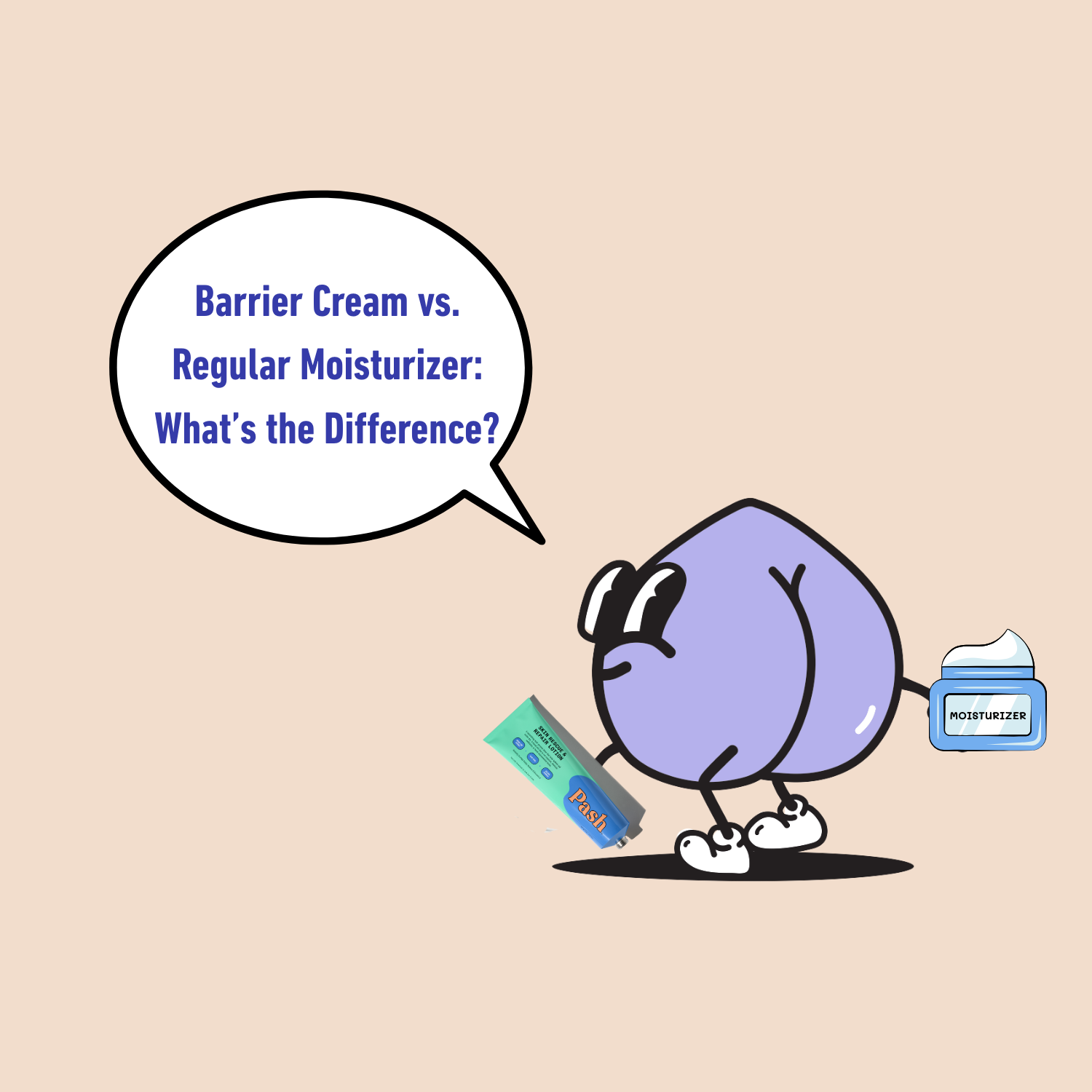
Barrier Cream vs. Regular Moisturizer: What’s the Difference?
Barrier Cream vs. Regular Moisturizer: What’s the Difference?
If you’ve ever wondered whether a barrier cream vs moisturizer is actually different — you’re not alone.
The terms are often used interchangeably, but they’re not the same thing.
Understanding the difference can completely change how you treat dryness, irritation, and damaged skin.
Let’s break it down.
What Is a Barrier Cream?
A barrier cream (also called a barrier repair cream or skin barrier cream) is specifically formulated to:
-
Repair a compromised skin barrier
-
Reduce irritation and redness
-
Prevent moisture loss
-
Protect against environmental stressors
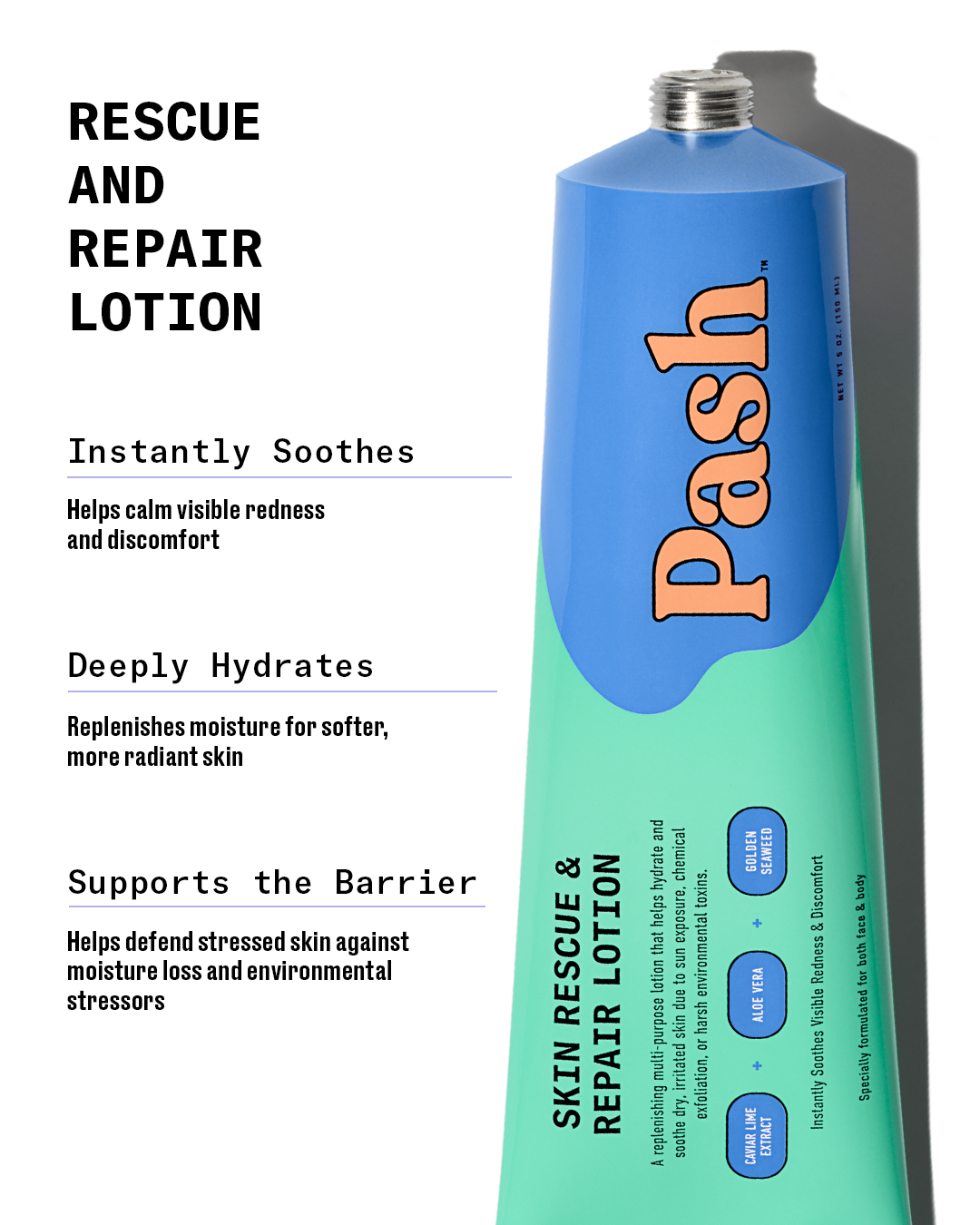
Unlike a basic moisturizer, a barrier cream is designed to rebuild and strengthen your skin’s protective layer-not just hydrate it.
Barrier creams are especially helpful if you have:
-
Sensitive skin
-
Over-exfoliated skin
-
Redness or stinging
-
Tightness after cleansing
-
A damaged skin barrier
What Is a Regular Moisturizer?
A standard moisturizer is formulated primarily to:
-
Hydrate the skin
-
Improve softness
-
Prevent dryness
Most moisturizers contain a mix of:
-
Humectants (like glycerin) – attract water
-
Emollients – smooth and soften
-
Sometimes occlusives – seal in moisture
But not all moisturizers actively repair the skin barrier. That’s where the difference lies.
Barrier Cream vs Moisturizer: The Key Differences
Here’s how they compare:
1. Purpose
Moisturizer: Hydrates and softens
Barrier cream: Repairs and strengthens the skin barrier while hydrating
2. Ingredients
A ceramide moisturizer may contain some barrier-supporting ingredients-but a true barrier repair cream typically prioritizes:
-
Ceramides
-
Fatty acids
-
Cholesterol
-
Occlusive ingredients
-
Soothing agents
These mimic the skin’s natural lipid structure to support barrier repair.
3. Texture
Barrier creams are often:
-
Richer
-
Thicker
-
More protective
Though modern formulas can feel lightweight while still supporting the skin barrier.
4. When You’d Use Each
Use a regular moisturizer if:
-
Your skin feels dry but not irritated
-
You want daily hydration
Use a barrier cream for face if:
-
Skin feels tight, burning, or reactive
-
You’ve overused actives
-
You’re experiencing redness or flare-ups
-
Your skin barrier is compromised
Is a Barrier Cream a Moisturizer?
Short answer: Yes-but not all moisturizers are barrier creams.
A barrier cream is technically a type of moisturizer, but it goes further by actively supporting skin barrier repair.
Think of it like this:
All squares are rectangles.
Not all rectangles are squares.
All barrier creams moisturize.
Not all moisturizers repair.
Occlusive vs Moisturizer: Where Do Barrier Creams Fit?
You may also see discussions about occlusive vs moisturizer.
Here’s the breakdown:
Humectant → draws water into skin
Emollient → smooths and softens
Occlusive → seals moisture in
Barrier creams often contain occlusive ingredients to prevent water loss — but they also include lipids (like ceramides) that help rebuild structure.
An occlusive alone (like petroleum jelly) seals the skin.
A barrier cream seals and restores.
Do You Need a Barrier Cream?
You might benefit from the best barrier cream for your skin if you notice:
-
Stinging when applying products
-
Skin feels tight after washing
-
Increased sensitivity
-
Persistent redness
-
Flaky patches despite moisturizing
These are signs your skin barrier may need support.
Barrier Cream for Sensitive Skin
Barrier creams are especially helpful for sensitive skin because they:
-
Reduce trans-epidermal water loss
-
Strengthen lipid structure
-
Calm visible redness
-
Improve resilience over time
For reactive skin types, strengthening the barrier often reduces overall sensitivity.
The Bottom Line
When comparing barrier repair cream vs moisturizer, the difference comes down to function.
A moisturizer hydrates.
A barrier cream hydrates and repairs.
If your skin feels compromised, reactive, or persistently tight, upgrading to a skin barrier cream can make a visible difference.
Healthy skin isn’t just moisturized.
It’s protected, balanced, and resilient.
Read more

Can You Over-Exfoliate? Short answer: Yes-you can absolutely over exfoliate. In fact, over exfoliating is one of the most common causes of a damaged skin barrier. If your face is suddenly burni...
How to Fix Tight, Stinging Skin After Washing Your Face If your face burns when you wash it, feels tight after cleansing, or stings the moment you apply moisturizer-your skin isn’t being dramatic....