
How to Fix Tight, Stinging Skin After Washing Your Face
How to Fix Tight, Stinging Skin After Washing Your Face
If your face burns when you wash it, feels tight after cleansing, or stings the moment you apply moisturizer-your skin isn’t being dramatic.
It’s communicating.
That tight, uncomfortable feeling after washing is one of the most common signs of a damaged skin barrier-and it’s often caused by the very products meant to “clean” your skin.
Let’s break down why your face feels tight after washing…and how to fix it.
Why Does My Face Burn When I Wash It?
If your face stings after washing, the cause usually falls into one of these categories:
1. Your Cleanser Is Too Harsh
Many cleansers contain aggressive surfactants designed to remove oil-but they often strip the skin’s natural protective layer in the process.
When that happens, your skin barrier weakens, and nerve endings become more reactive. That’s when you experience:
-
Burning face sensation
-
Stinging skin
-
Tight skin that feels “pulled”
-
Redness or flushing
If your skin feels squeaky clean, it may actually be over-cleansed.
2. You’re Disrupting Your Skin Barrier
Your skin barrier is made of lipids, ceramides, and natural moisturizing factors that seal in hydration and keep irritants out.
When compromised, you may notice:
-
Skin feels tight after cleansing
-
Burning when applying products
-
Increased sensitivity
-
Red patches or flare-ups
-
Makeup clinging to dry areas
These are classic damaged skin barrier symptoms.
3. Water Temperature Is Too High
Hot water can dissolve protective lipids and worsen tight skin. Even a gentle cleanser can leave your face stinging if you’re washing with very warm water.
Lukewarm is ideal.
Why Skin Feels Tight After Cleansing
That tight feeling isn’t a sign your cleanser is “working.”
It’s a sign your skin lost more moisture than it should have.
When your barrier is intact, skin should feel:
-
Comfortable
-
Soft
-
Flexible
-
Calm
-
Not stretched or burning.
If your face feels tight after washing, your cleanser may be disrupting your skin’s natural balance.
How to Fix Tight, Stinging Skin
The goal isn’t to stop cleansing.
It’s to cleanse without stripping.
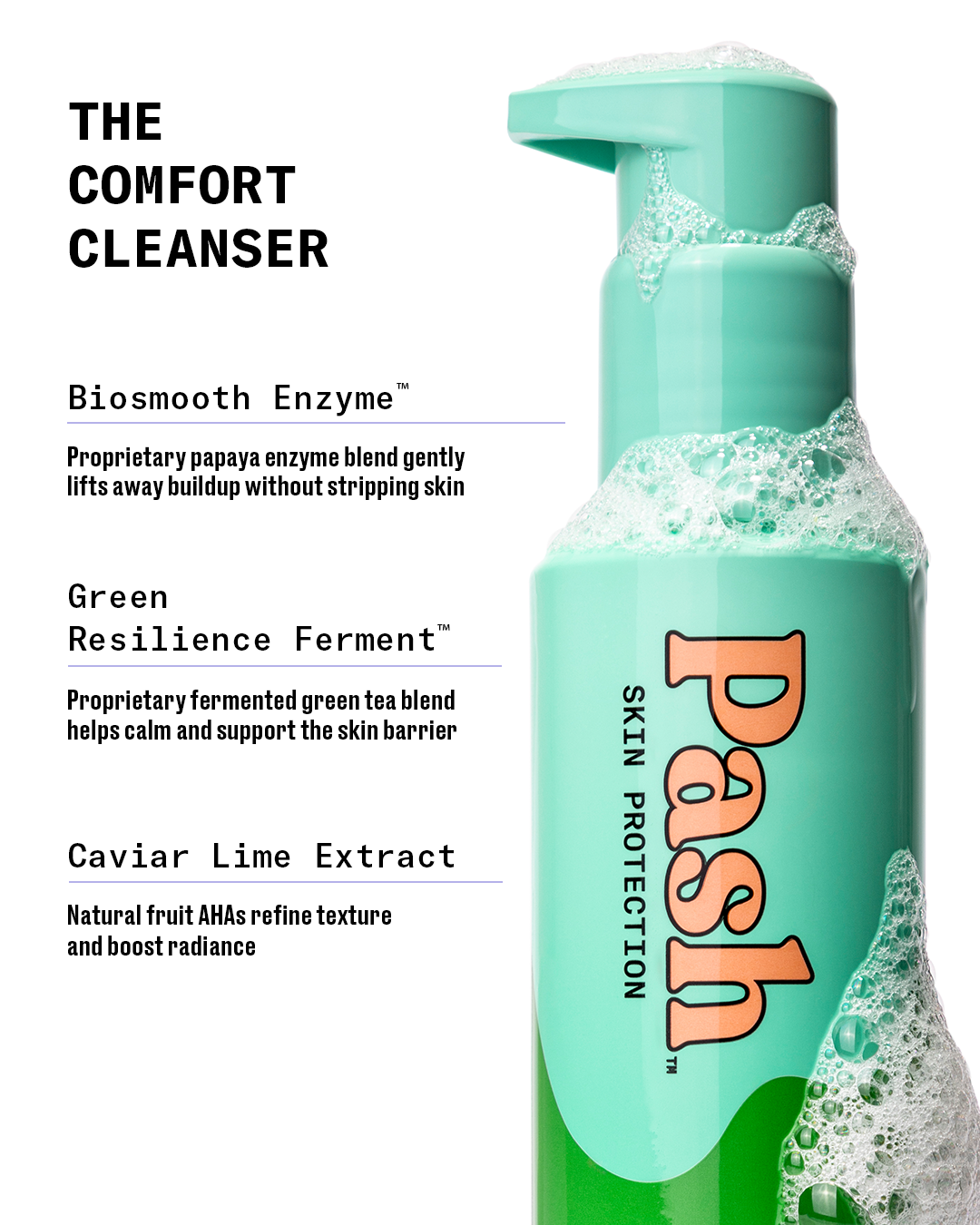
1. Switch to a Non-Stripping Cleanser
Look for:
-
Mild surfactants
-
Hydrating ingredients (glycerin, aloe)
-
Barrier-supporting ingredients (ceramides, seaweed extracts)
-
No harsh foaming agents
A cleanser should remove buildup while supporting skin barrier repair, not sabotaging it.
2. Repair the Skin Barrier
-
Once skin is compromised, focus on rebuilding:
-
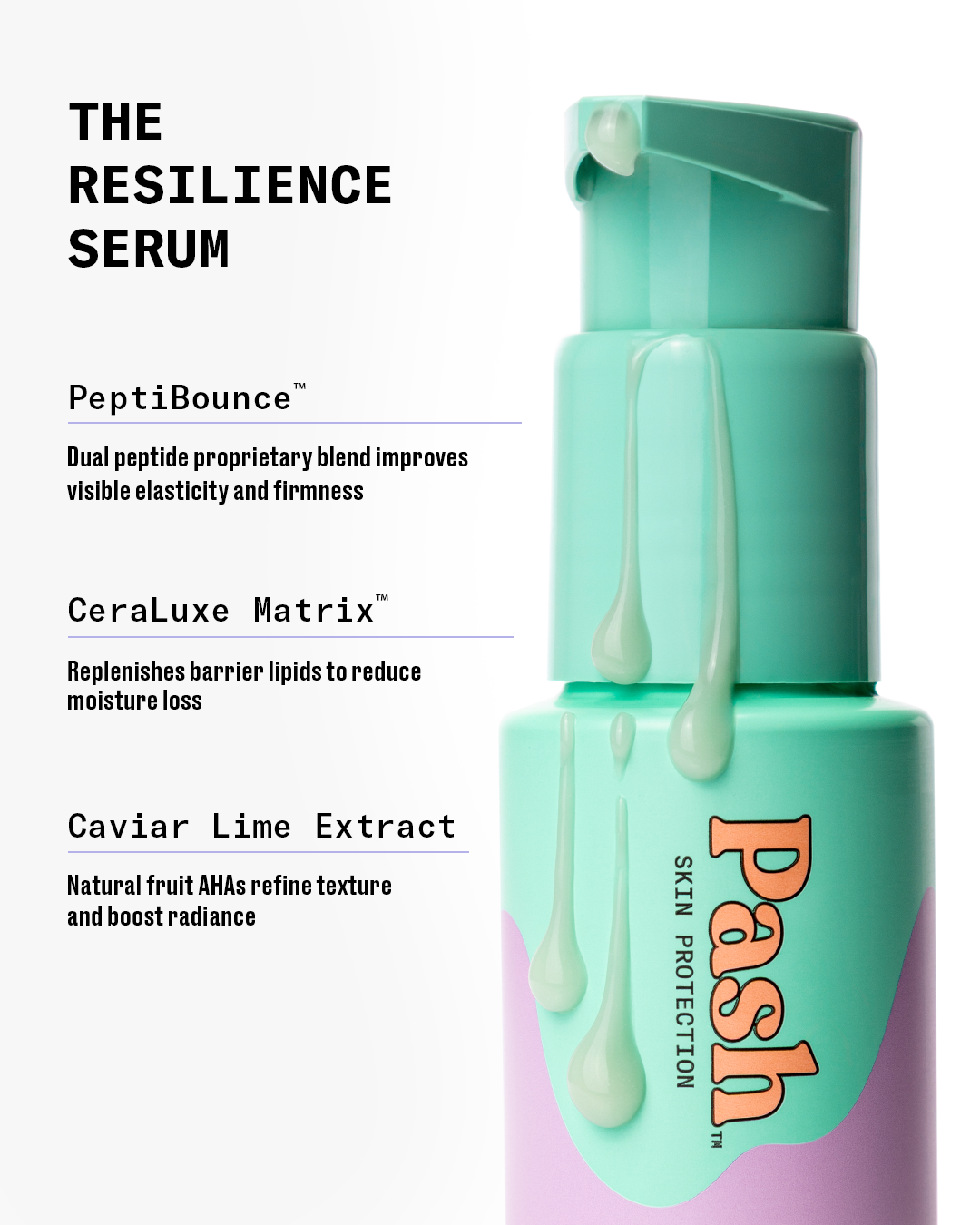
Use ceramide-rich moisturizers
-
Avoid exfoliating acids temporarily
-
Reduce active ingredients
Apply moisturizer to damp skin
Barrier repair isn’t instant — but consistency matters.
3. Simplify Your Routine
If your skin is stinging, it’s not the time for experimentation.
Scale back to:
-
Gentle cleanser
-
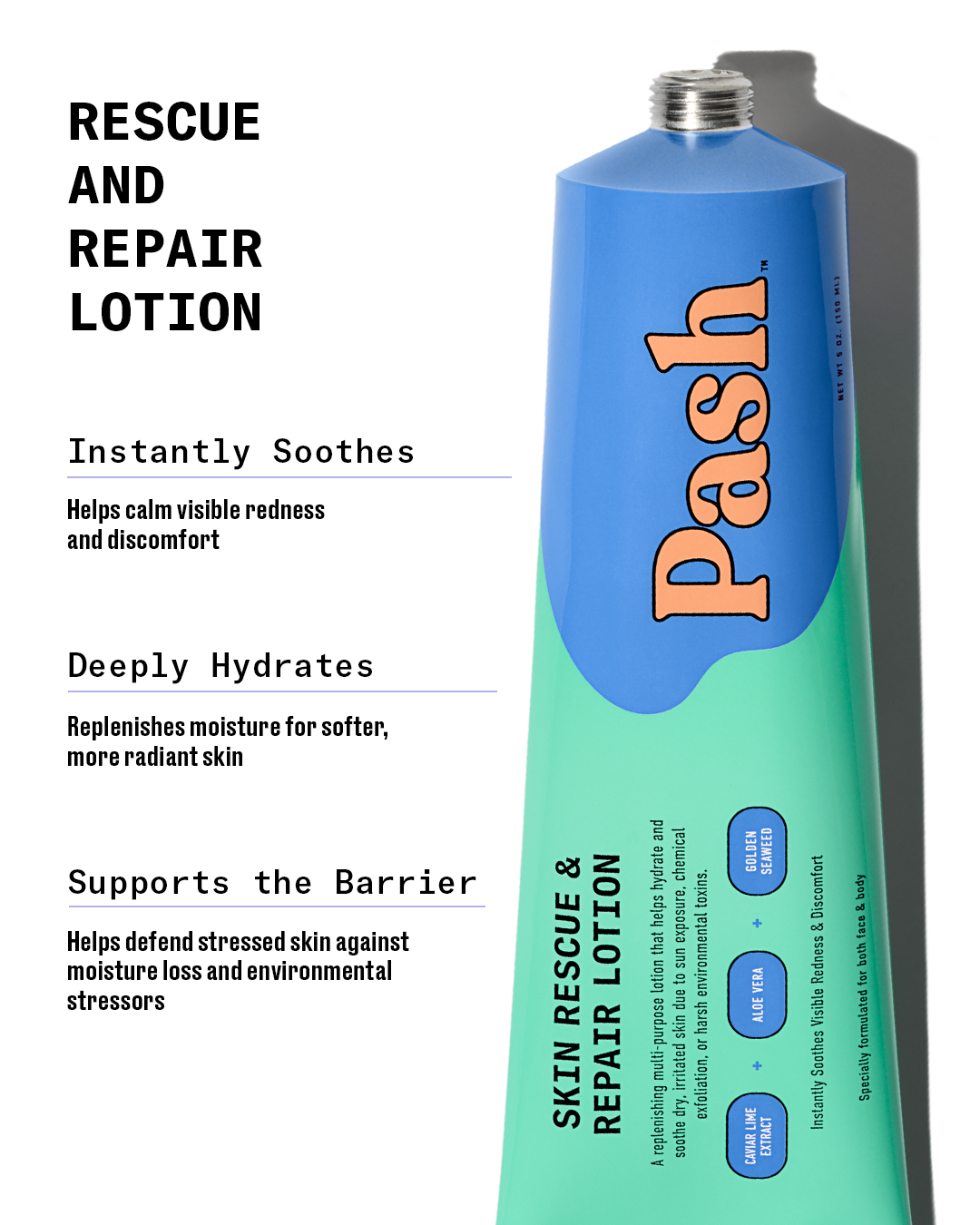
Barrier-supporting moisturizer
-
SPF (during the day)
That’s it.
How Long Does It Take to Repair a Damaged Skin Barrier?
Mild barrier disruption can improve in 1–2 weeks.
More severe cases may take 3–6 weeks of consistent, gentle care.
If your skin continues burning despite simplifying your routine, consider seeing a dermatologist to rule out conditions like rosacea or contact dermatitis.
The Bottom Line
If your face burns when you wash it, or your skin feels tight after cleansing, your skin barrier may be compromised.
Healthy skin should feel calm after washing — not tight, not stinging, not reactive.
Gentle cleansing + barrier support = resilient skin.
Read more
Barrier Cream vs. Regular Moisturizer: What’s the Difference? If you’ve ever wondered whether a barrier cream vs moisturizer is actually different — you’re not alone. The terms are often used int...
What Is Dehydrated Skin? Dehydrated skin is a temporary condition caused by water loss. It can affect all skin types…even oily skin. Signs of Dehydrated Skin Tightness Dull appearance Fine li...