
How Cold Weather Damages Your Skin Barrier
How Cold Weather Damages Your Skin Barrier
If you’ve ever wondered, “Why is my skin so dry in winter?” The answer usually comes down to your skin barrier.
Cold weather doesn’t just make skin feel dry. It actively weakens your barrier, increases moisture loss, and makes skin more reactive.
Let’s break down exactly how cold weather affects skin-and what you can do about it.
How Cold Weather Affects Skin
When temperatures drop, several things happen at once:
-
Humidity levels decrease
-
Indoor heating reduces moisture in the air
-
Cold wind increases irritation
-
Skin produces less oil
Together, these factors increase transepidermal water loss (TEWL) -the process where moisture escapes from your skin into the environment.
The result?
-
Cold weather dry skin
-
Tightness
-
Flaking
-
Redness
-
Increased sensitivity
In other words: a compromised winter skin barrier.
Why Is My Skin So Dry in Winter?
Your skin barrier relies on lipids (ceramides, fatty acids, cholesterol) to hold moisture in.
Cold weather disrupts that structure in three key ways:
1. Dry Air + Low Humidity
There’s less moisture in the air during winter.
When humidity drops, water naturally moves from higher concentration (your skin) to lower concentration (the air).
This leads to:
-
Dry air skin
-
Dehydrated skin
-
Tightness after cleansing
2. Wind Exposure
Cold wind strips away protective oils and can lead to windburn face symptoms, including:
-
Redness
-
Stinging
-
Rough texture
-
Cold weather skin irritation
Windburn isn’t just surface-level irritation — it can damage your skin barrier if repeated.
3. Indoor Heating
Heaters reduce indoor humidity even further, worsening moisture loss.So even if you're not outside, your skin may still feel dry, irritated, and reactive.
Signs Your Winter Skin Barrier Is Compromised
If you notice any of the following, your skin barrier may need support:
-
Skin feels tight after washing
-
Moisturizer isn’t “working”
-
Increased sensitivity
-
Burning when applying products
-
Flaky patches that won’t go away
-
Sensitive skin in winter
Winter dryness isn’t just about hydration — it’s often about barrier repair.
Winter Skin Barrier Repair: What Actually Helps
The goal in winter skincare isn’t just adding moisture.It’s preventing moisture loss and rebuilding your barrier.
Here’s how:
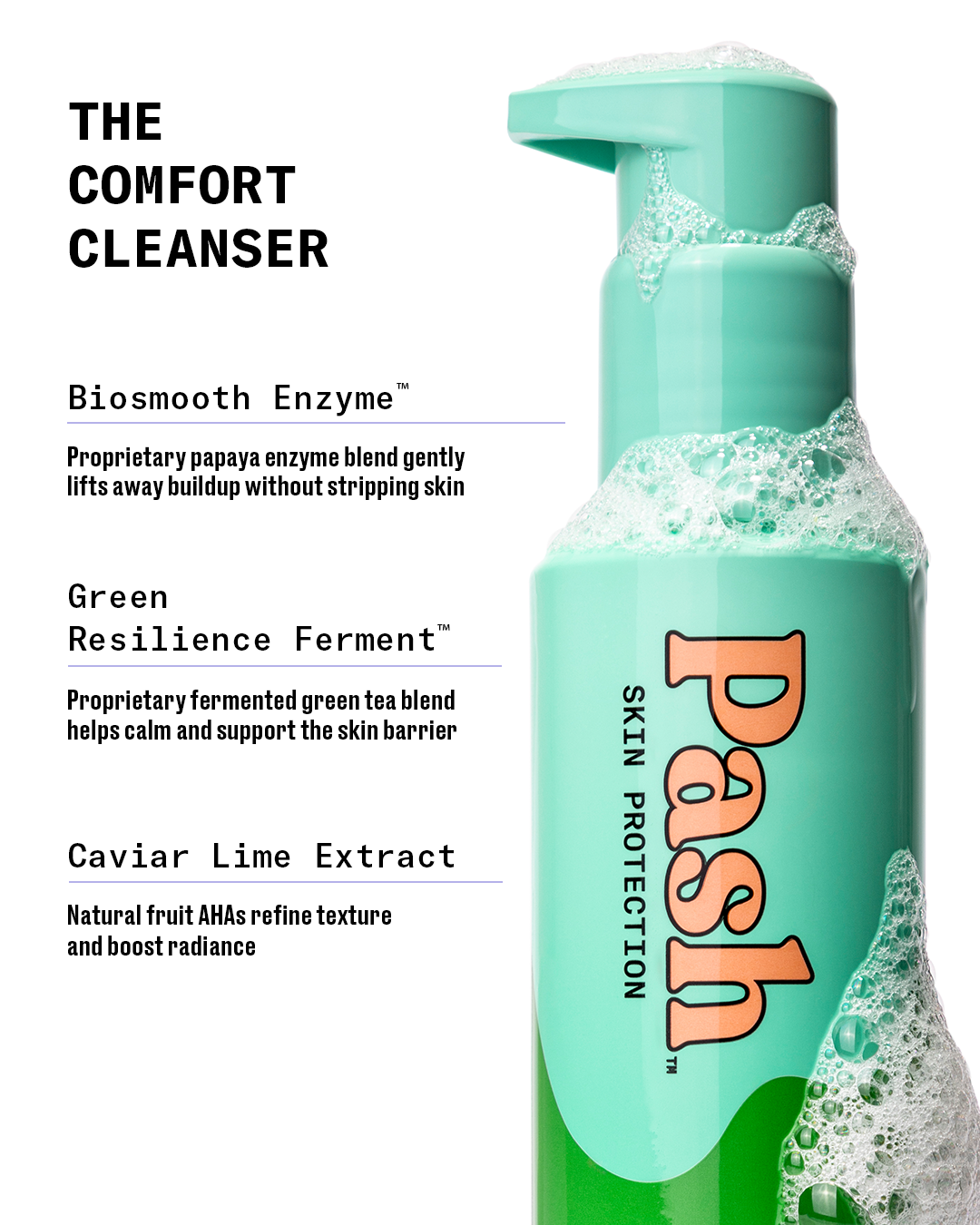
1. Switch to a Barrier-Supporting Cleanser
Avoid harsh or foaming cleansers that increase transepidermal water loss.
In winter, your cleanser should:
-
Gently cleanse
-
Support barrier lipids
-
Leave skin comfortable, not tight
If your skin feels squeaky clean, it may be over-stripped.
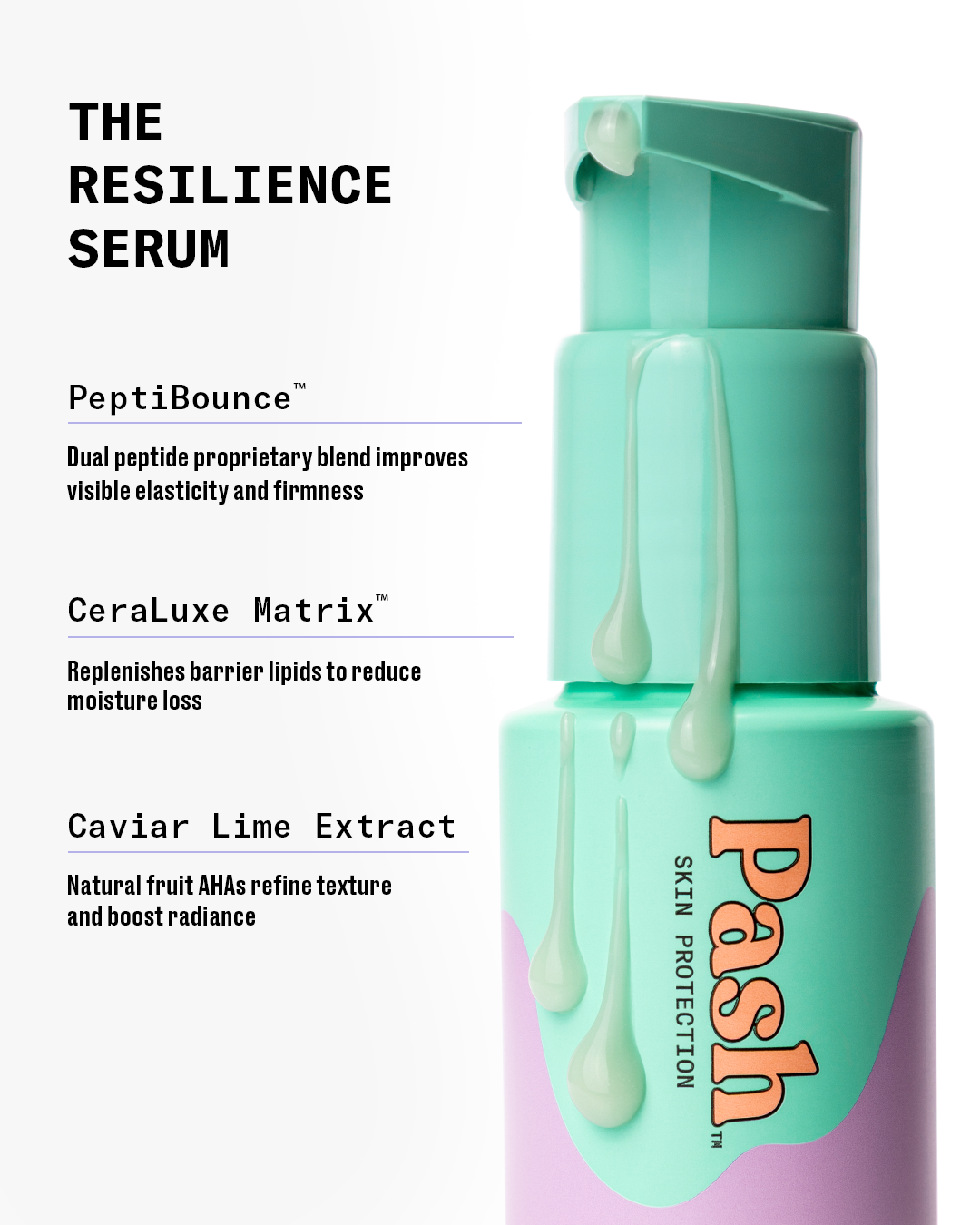
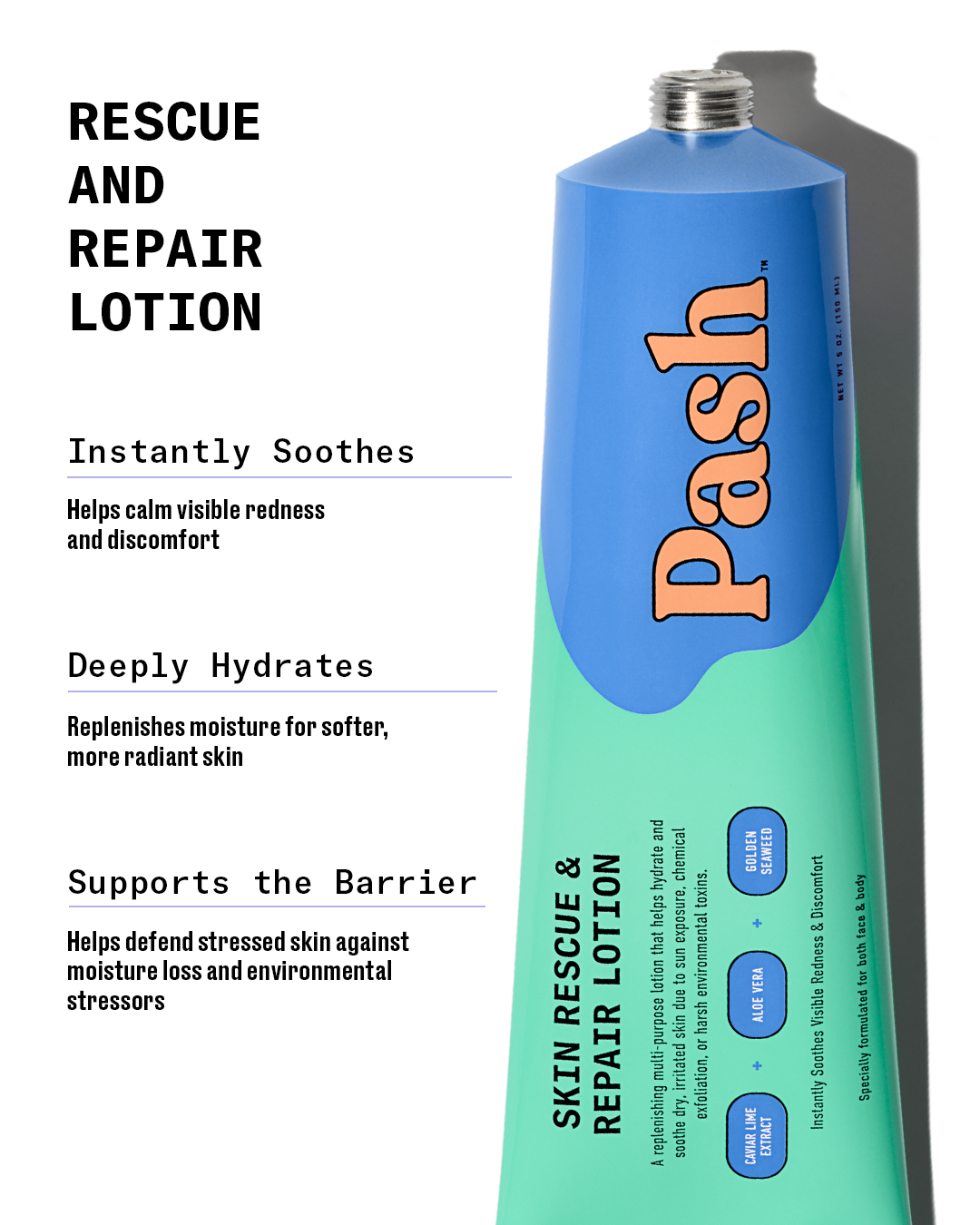
2. Upgrade to a Winter Moisturizer
A lightweight summer lotion may not be enough.
Look for a winter moisturizer that contains:
-
Ceramides
-
Fatty acids
-
Cholesterol
-
Humectants (like glycerin)
-
Light occlusives to seal moisture
The best moisturizer for winter supports barrier repair while preventing water loss.
3. Apply Moisturizer to Damp Skin
This helps lock in hydration before it evaporates.
In dry climates, timing matters.
4. Avoid Over-Exfoliating
Skin is more vulnerable in winter.
If you’re exfoliating too often (especially with AHA, BHA, or retinol), you may worsen barrier damage.
Reduce frequency and focus on repair.
5. Protect Against Windburn
When spending time outdoors:
Use a richer moisturizer beforehand
Reapply as needed
Protect exposed skin
Windburn can look like dryness but behaves more like irritation.
Cold Weather Skin Barrier + Sensitive Skin
If you already have sensitive skin, winter can amplify symptoms.
A compromised barrier allows irritants to penetrate more easily, increasing redness and reactivity.
Supporting your skin barrier consistently throughout winter can help:
Reduce flare-ups
Improve resilience
Minimize irritation
Healthy winter skin isn’t about heavy layering — it’s about strengthening the barrier.
The Bottom Line
Cold weather affects skin in more ways than just dryness.
Lower humidity, wind exposure, and indoor heating all increase transepidermal water loss, weakening your skin barrier.
If your skin feels tighter, more sensitive, or unusually dry in winter, it may need barrier repair — not just hydration.
Winter skincare isn’t about more products.
It’s about smarter protection.
Read more
Post-Workout Skincare: How to Protect Your Skin Barrier Sweat is good for your body. But what about your skin? If you’ve ever wondered, “Should you wash your face after working out?” — the answe...

Can You Over-Exfoliate? Short answer: Yes-you can absolutely over exfoliate. In fact, over exfoliating is one of the most common causes of a damaged skin barrier. If your face is suddenly burni...