
Post-Workout Skincare: How to Protect Your Skin Barrier
Post-Workout Skincare: How to Protect Your Skin Barrier
Sweat is good for your body.
But what about your skin?
If you’ve ever wondered, “Should you wash your face after working out?” — the answer is yes… but how you do it matters.
Your post workout skincare routine can either support your skin barrier — or quietly damage it.
Let’s break down the right way to care for your skin after the gym.
Should You Wash Your Face After Working Out?
Short answer: Yes — but gently.
Sweat itself isn’t harmful. But when it mixes with:
Oil
Bacteria
Makeup
Sunscreen
Environmental debris
It can clog pores and contribute to breakouts.
The key isn’t aggressive cleansing.
It’s barrier-safe cleansing.
How to Clean Face After Workout (Without Stripping It)
Many people overcorrect after sweating by using harsh cleansers or scrubs.
That can leave your skin barrier after workout compromised — especially if your face already feels flushed or sensitive.
Here’s what to do instead:
1. Cleanse Within 30 Minutes
You don’t need to sprint to the sink — but try to cleanse shortly after sweating to prevent buildup from settling into pores.
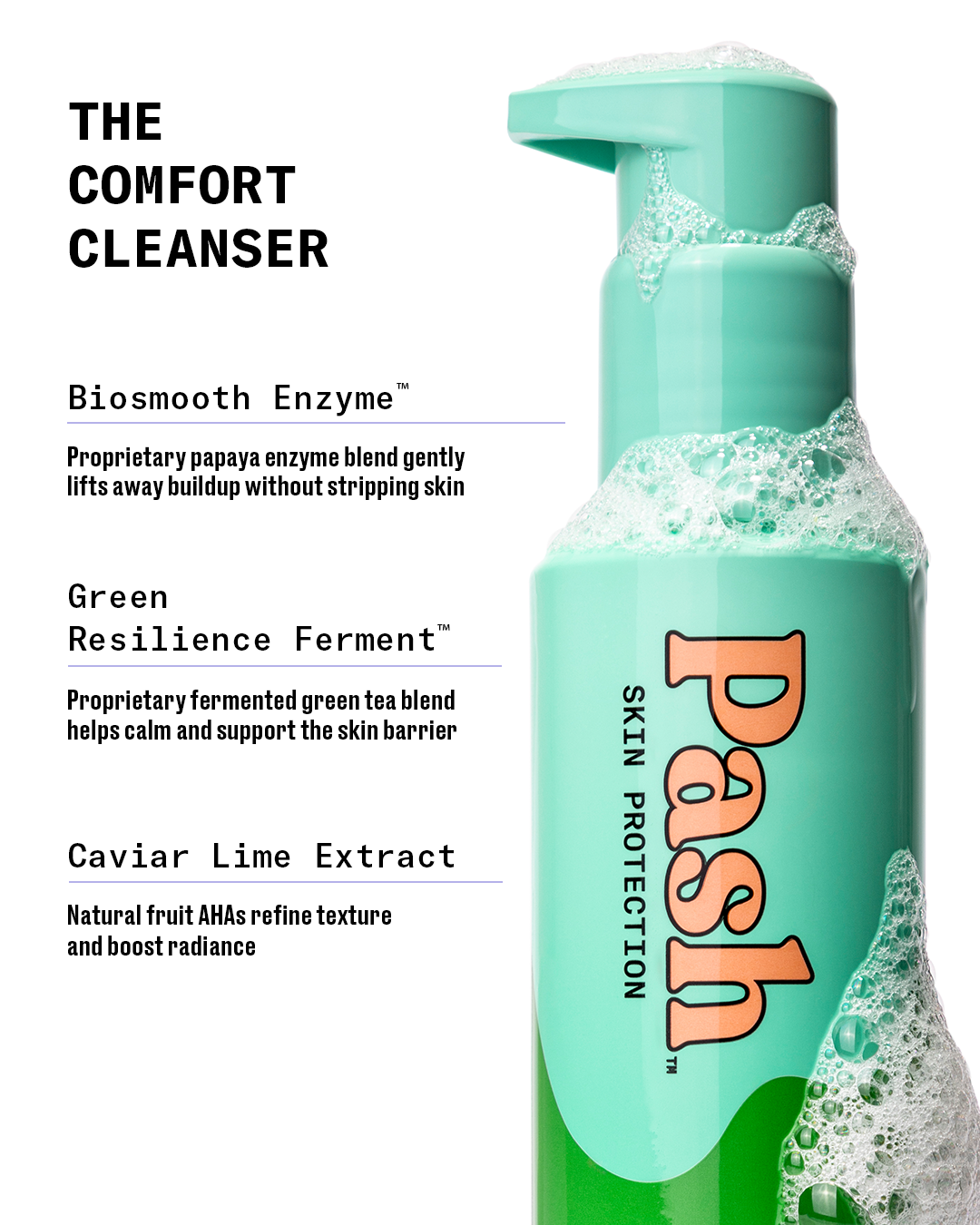
2. Use a Gentle, Non-Stripping Cleanser
The best cleanser after workout should:
Remove sweat and buildup
Support barrier lipids
Avoid harsh surfactants
Leave skin comfortable (not tight)
If your face feels tight after workout, your cleanser may be too aggressive.
3. Skip Physical Scrubs
Your skin is already slightly inflamed from increased circulation and heat.
Adding friction can increase irritation — especially if you have sensitive skin after workout.
Why Skin Can Feel Tight After a Workout
It’s not just sweat.
During exercise:
Body temperature rises
Blood flow increases
Water evaporates from skin
Transepidermal water loss increases
If you’re working out in air conditioning or dry air, that evaporation effect is amplified.
That’s why your face may feel dry or tight post-workout — even if you’re sweating.
Post Workout Skincare Routine (Barrier-Safe Version)
Here’s a simple after gym skincare routine that protects your barrier while preventing breakouts:
Step 1: Gentle Cleanse
Remove sweat, sunscreen, and bacteria without stripping the skin barrier.
Step 2: Replenish Moisture
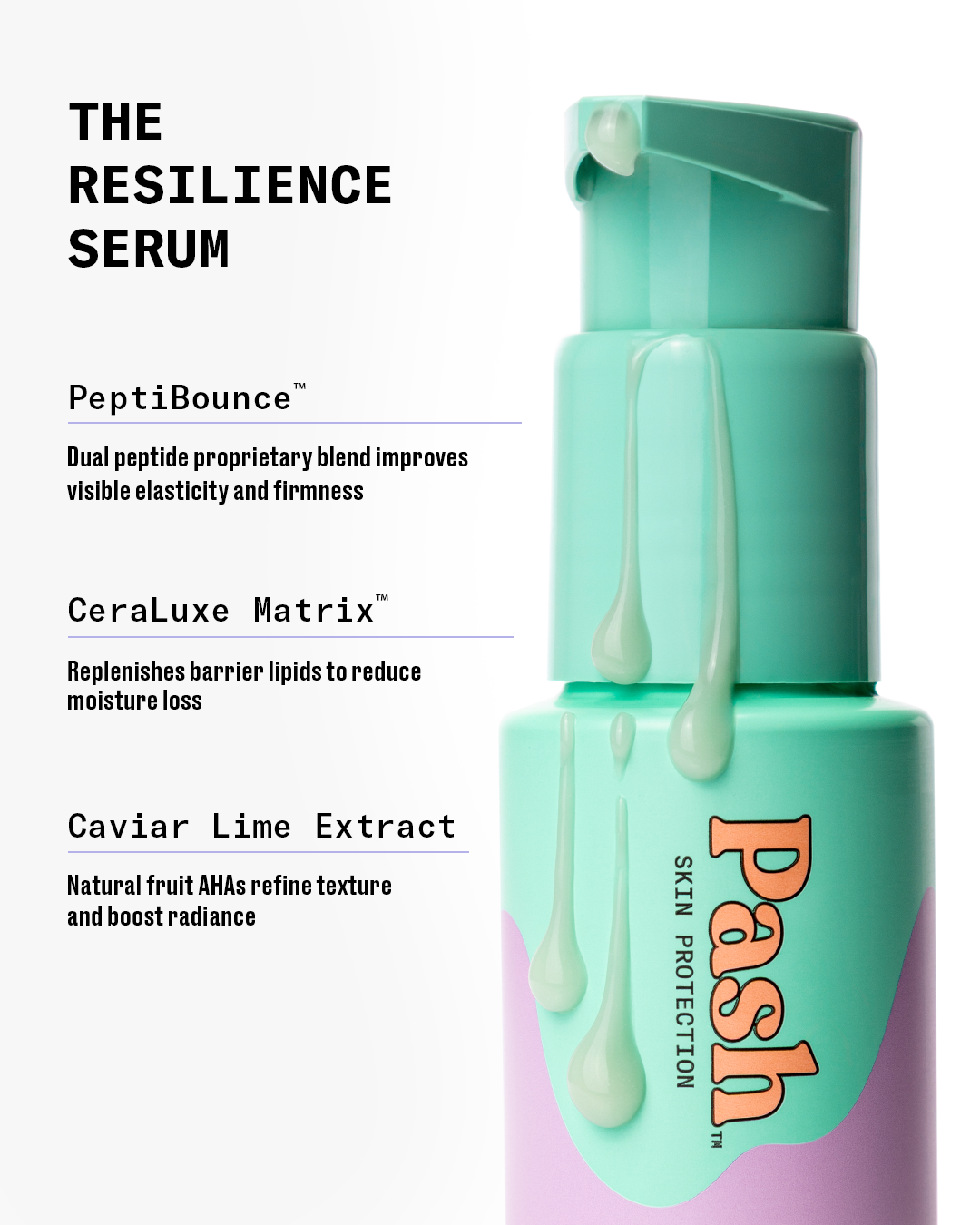
Apply a lightweight, barrier-supporting moisturizer to:
Reduce water loss
Calm flushed skin
Restore comfort
Even oily skin needs hydration after cleansing.
Step 3: SPF (If Daytime)
If you're heading back outside, reapply sunscreen.
Sweat reduces its effectiveness.
How to Prevent Breakouts After Working Out
Breakouts after the gym are usually caused by:
Sweat sitting on skin too long
Friction from hats or headbands
Dirty towels
Over-cleansing and barrier damage
Ironically, damaging your skin barrier can trigger more breakouts.
When the barrier is compromised:
Inflammation increases
Skin becomes reactive
Oil production may become unbalanced
Healthy barrier = fewer irritation breakouts.
What If You Can’t Wash Your Face Right Away?
If you don’t have immediate access to a sink:
Gently blot sweat with a clean towel
Avoid wiping aggressively
Skip heavily fragranced wipes
Then cleanse properly when you can.
Try not to let sweat sit on your skin for hours.
Sensitive Skin After Workout: What to Watch For
If your skin stings after cleansing post-workout, that may signal:
Over exfoliation
A damaged skin barrier
A cleanser that’s too harsh
Exercise increases circulation, which can temporarily heighten sensitivity.
That’s why barrier support is especially important in your workout skincare routine.
The Bottom Line
Yes — you should wash your face after working out.
But aggressive cleansing isn’t the solution.
A smart post workout skincare routine focuses on:
Gentle cleansing
Barrier support
Moisture replenishment
Sweat doesn’t ruin your skin.
Over-stripping it does.
Protect your barrier — even after leg day.
Read more
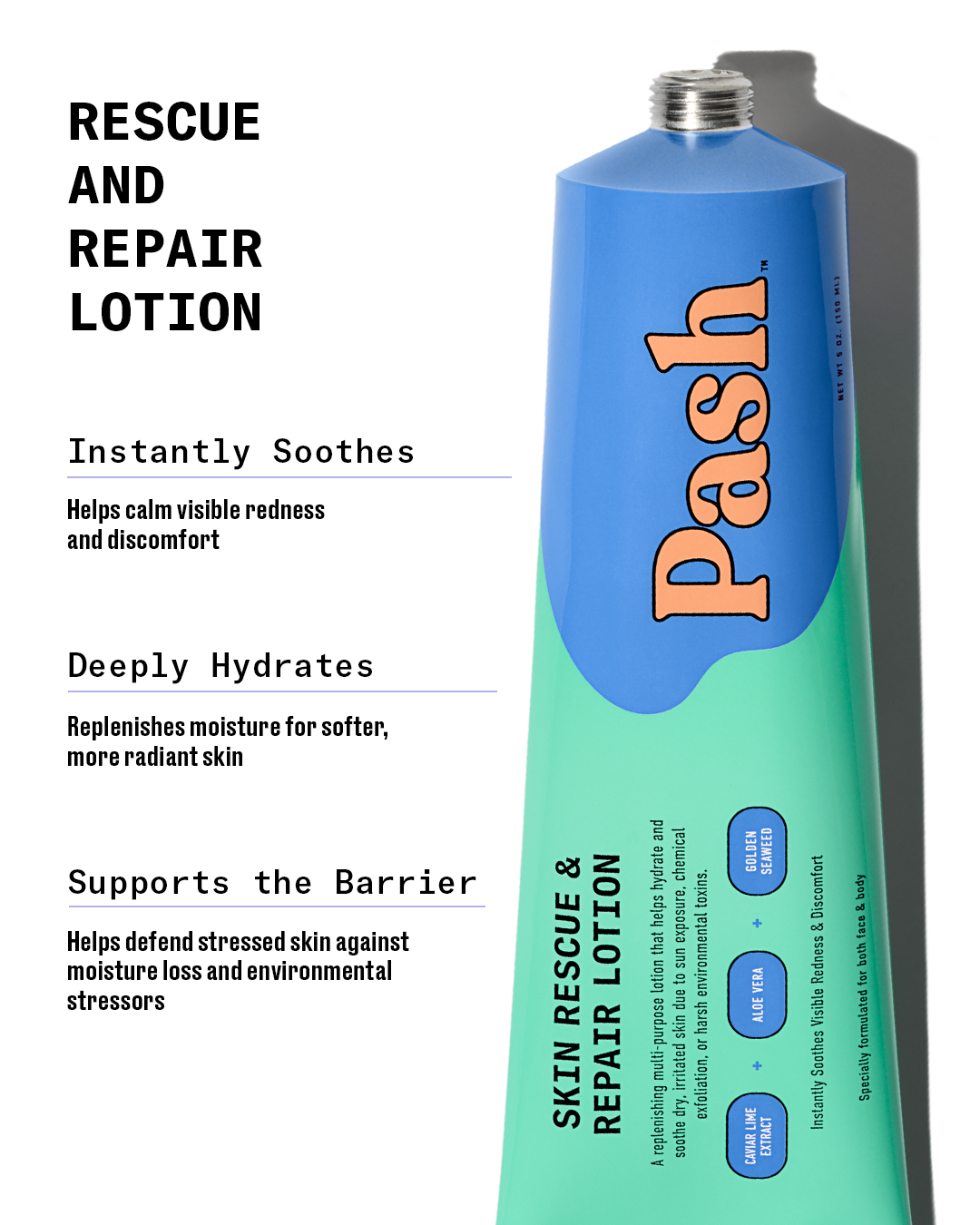
Most lotions live in plastic forever bottles. PASH went a different way on purpose. The product comes in a 100 percent recycled aluminum tube that is fully recyclable.
How Cold Weather Damages Your Skin Barrier If you’ve ever wondered, “Why is my skin so dry in winter?” The answer usually comes down to your skin barrier. Cold weather doesn’t just make skin feel ...